How to Choose a Dentist in Greeley, CO: A Patient-Friendly Guide
Finding a dentist is about more than choosing the closest office or clicking the first search result. The right dental practice should make it easier to protect your smile, understand your treatment options, and feel comfortable asking questions.
For individuals and families searching for a dentist in Greeley, CO, a few practical considerations can help narrow the options. Services, communication, convenience, comfort, and financial transparency all matter. Most importantly, patients should look for a dental team they can trust for both routine care and unexpected concerns.
This guide explains what to consider, what to ask, and what to expect when establishing care with a local dentist.
This article provides general educational information and is not a substitute for an examination, diagnosis, or personalized advice from a licensed dental professional.
Why Choosing the Right Dentist Matters
Dental care is an ongoing relationship. Routine visits allow a dentist and hygiene team to become familiar with a patient's teeth, gums, dental history, and personal concerns. That familiarity can make future conversations and treatment planning more comfortable.
A good dentist should also help patients understand the connection between daily habits and long-term oral health. Rather than focusing only on repairing problems, the dental team should emphasize prevention, early attention, and realistic home-care guidance.
For many patients, trust grows through small details: being welcomed warmly, receiving understandable explanations, knowing the expected cost before treatment, and feeling that questions are encouraged. These qualities can be just as important as the technology inside the office.
What to Look for in a Dentist in Greeley, CO
A Strong Focus on Preventive Care
Prevention is the foundation of general dentistry. Regular examinations, professional cleanings, appropriate dental imaging, and personalized home-care recommendations help patients stay informed about their oral health.
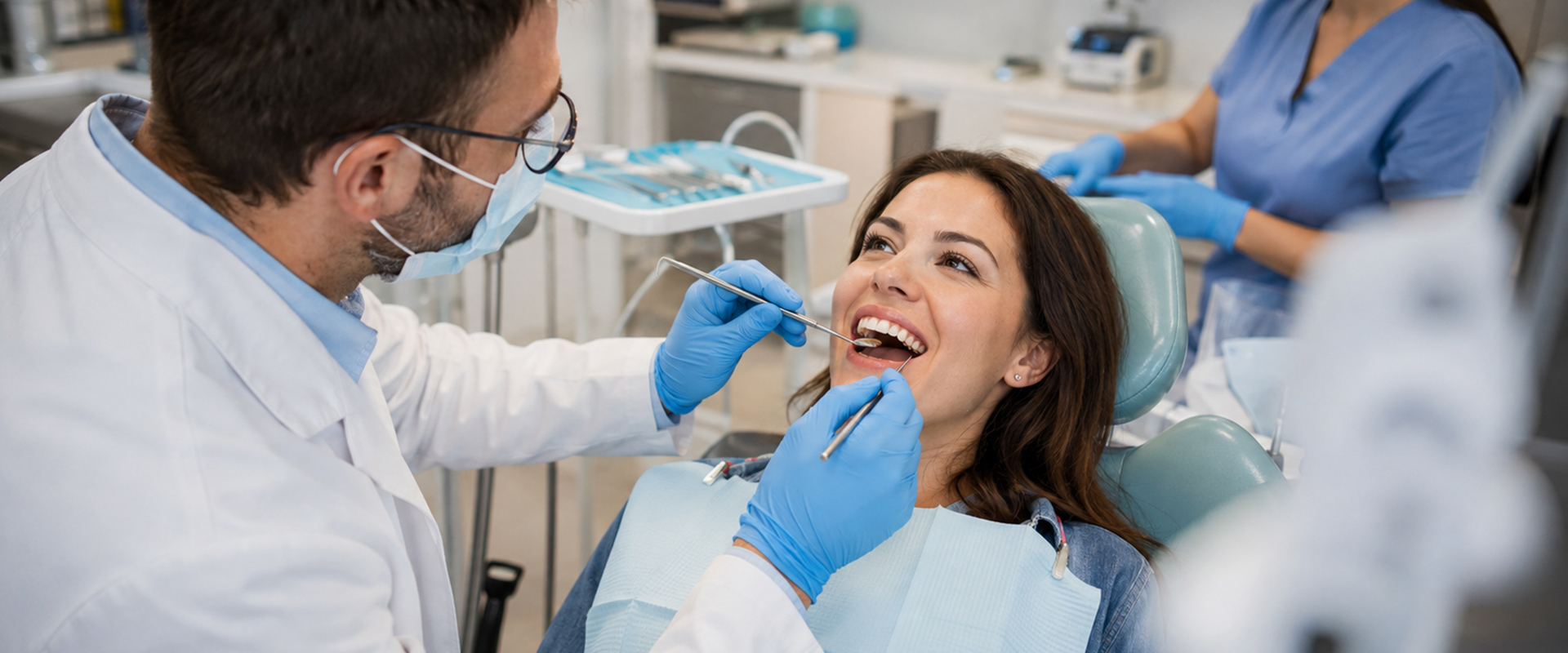
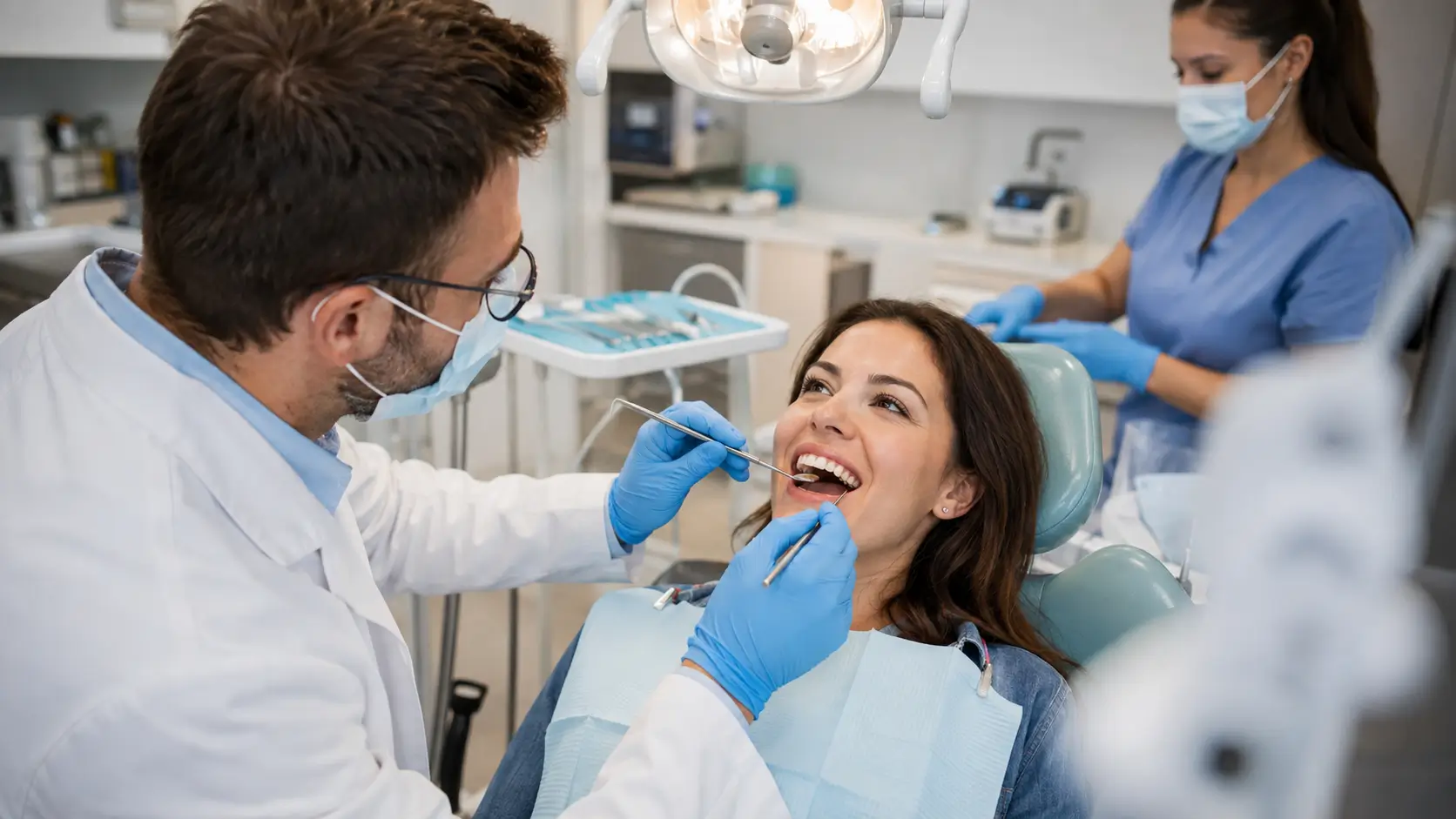
During an exam, the dental team may evaluate the teeth, existing dental work, gums, bite, and other oral structures. The visit should also provide time to discuss symptoms or changes, such as sensitivity, discomfort, dry mouth, bleeding gums, or concerns about appearance.
A prevention-focused dentist does not take a one-size-fits-all approach. Recommendations may differ based on a patient's current oral health, medical history, age, previous treatment, and risk factors.
Services That Fit Current and Future Needs
Before choosing a practice, patients should review the services available. A general dental office may provide preventive care, tooth repair, cosmetic treatment, tooth replacement, or selected surgical services. Exact options and candidacy depend on the practice and the patient's clinical needs.
Choosing an office with a broad range of care can be convenient, particularly for families or people who expect their needs to change. However, no practice provides every procedure for every patient. When specialty care is appropriate, a trustworthy dentist should explain why and coordinate a referral.
Greeley Dental Care's preventive and general dentistry information describes services that include comprehensive exams and diagnostic X-rays, along with restorative, cosmetic, tooth-replacement, and emergency dental care options. A consultation is necessary to determine which services are suitable for an individual patient.
Clear, Respectful Communication
Dental terminology can sound complicated, but the explanation should not be. A patient-friendly dentist should be able to describe what was found, why treatment may be recommended, what alternatives may exist, and what could happen if care is postponed.
Good communication also means respecting a patient's priorities. Some people want to address one urgent concern first, while others are ready to create a longer-term plan. The dentist should help establish reasonable priorities without using pressure or making guarantees.
Patients may find it helpful to ask:
- What did the examination show?
- Which treatment is most important, and which care can wait?
- Are there reasonable alternatives?
- What should the patient expect during and after treatment?
- How will the office estimate insurance coverage and out-of-pocket costs?
Attention to Patient Comfort
Feeling nervous about dental care is common, and embarrassment should never stand between a patient and needed attention. A supportive dental team will listen without judgment, explain each step, and allow patients to communicate when they need a pause.
Anyone with dental anxiety should mention it while scheduling rather than waiting until treatment begins. The office can explain its approach to comfort, appointment pacing, local anesthesia, and any other options it offers. Available comfort measures vary, so patients should ask what may be appropriate for their health history and planned procedure.
Modern, Thoughtful Use of Technology
Modern tools can support evaluation, patient education, and treatment planning. For example, digital images may help a dentist examine areas that are difficult to see directly and show patients what the dental team is discussing.
Technology alone does not determine the quality of a practice. What matters is whether the team uses it appropriately, explains why it is recommended, and combines the information with a careful clinical examination.
A Convenient and Welcoming Location
Convenience makes it easier to maintain regular care. Patients should consider office location, hours, appointment availability, parking, accessibility, and how the practice handles time-sensitive concerns.
Greeley Dental Care is located at 5214 W 20th Street, Greeley, CO 80634. According to the practice website, the office welcomes new patients of all ages. Patients should contact the practice directly to confirm current availability, services, and scheduling details.
How to Compare Dental Costs and Payment Options
Cost is a reasonable part of choosing a dentist, but the advertised price of a single service rarely tells the whole story. The final cost of care may depend on the examination findings, the complexity of treatment, materials used, insurance benefits, deductibles, annual maximums, and other plan rules.
Before agreeing to non-urgent treatment, patients can request a written estimate that separates the expected fee, estimated insurance contribution, and anticipated patient portion. An estimate is not always a final guarantee because insurance companies make the final benefit determination.
Useful financial questions include:
- Does the office accept or participate with the patient's dental plan?
- Will the team submit insurance claims?
- Are payment plans or third-party financing options available?
- When is payment due?
- Could the treatment be completed in stages when clinically appropriate?
Patients without insurance can ask about self-pay policies and available payment arrangements. Financial concerns should be discussed openly. A helpful dental team can explain costs and priorities, although it cannot change the clinical need for care or guarantee insurance payment.
What to Expect at a First Dental Visit
A new-patient appointment generally begins with health and dental history forms. Patients should provide a current medication list, relevant medical conditions, allergies, previous dental experiences, and the main reason for the visit. This information helps the dentist plan safe, individualized care.
The clinical portion may include an examination and dental imaging when appropriate. A cleaning may occur during the same appointment, but that is not always possible. If the examination identifies gum concerns or more urgent treatment needs, the team may recommend a different type of cleaning or schedule care separately.
Greeley Dental Care states that its new-patient process includes a comprehensive evaluation, digital imaging when needed, and a consultation about oral health, treatment priorities, and preventive recommendations. The exact components of any visit depend on the patient's needs.
Before leaving, the patient should understand the general findings and next steps. It is appropriate to ask for clarification, written treatment information, or additional time to consider elective care.
Signs a Dental Office May Be a Good Fit
Online reviews can offer helpful context, but a patient's own experience is often more meaningful. Positive signs include:
- The team listens carefully and does not dismiss concerns.
- Clinical findings and treatment options are explained in plain language.
- Patients receive an opportunity to ask questions.
- Fees and payment expectations are discussed before treatment.
- The office emphasizes prevention and practical home care.
- Consent is treated as an ongoing conversation.
- The environment feels clean, organized, and respectful.
- The team explains when a referral or second opinion may be helpful.
Patients should feel comfortable requesting copies of their records, asking why a procedure is recommended, or seeking a second opinion. A strong dentist-patient relationship supports informed decisions rather than rushed ones.
Frequently Asked Questions
How often should someone visit a dentist?
There is no single schedule that is right for everyone. A dentist recommends visit frequency based on the condition of the teeth and gums, previous dental history, home-care habits, health factors, and current treatment needs. Patients should follow the personalized schedule provided after an examination.
Should a patient choose a dentist based only on insurance?
Insurance participation can affect out-of-pocket expenses, but it should not be the only consideration. Communication, available services, location, comfort, and confidence in the team also matter. Patients should verify benefits with both the dental office and insurance company because network status and coverage can change.
What should a new patient bring to the first appointment?
Helpful items include a photo ID, dental insurance information, a medication list, relevant health information, and records or X-rays from a previous dentist if requested. Patients should also bring questions and mention any anxiety, sensitivity, or immediate concerns.
Can someone visit a dentist even if it has been years?
Yes. Patients should not let embarrassment prevent them from scheduling care. The dental team can begin with an evaluation, discuss the findings, and create priorities based on current needs. Treatment recommendations can only be made after an appropriate examination.
When should dental discomfort be evaluated?
New, persistent, or worsening dental discomfort should be discussed with a dental professional. The office can ask questions and determine how promptly an evaluation may be needed. Severe or rapidly changing symptoms require timely professional guidance rather than online self-diagnosis.
Is Greeley Dental Care accepting new patients?
The practice website states that Greeley Dental Care welcomes new patients of all ages. Availability can change, so patients should call the office or submit an appointment request to confirm current scheduling options.
Take the Next Step Toward a Healthier Smile
Choosing a dentist in Greeley, CO should feel like the beginning of a supportive partnership. By looking for preventive care, clear communication, comfortable treatment, appropriate services, and transparent financial discussions, patients can select an office that fits their needs and priorities.
Greeley Dental Care welcomes questions from individuals and families seeking local dental care. To learn more or request an appointment, visit Greeley Dental Care or call (970) 352-4242. The office is located at 5214 W 20th Street, Greeley, CO 80634.